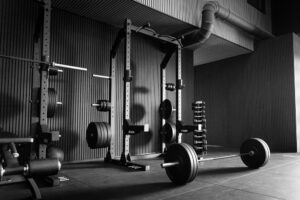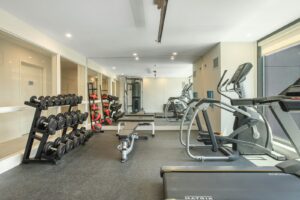

A barbell set is the backbone of almost every home gym, and it is also the purchase where people most often buy twice. The bar you choose has to match the plates you choose, which has to match the rack you own and the floor you train on. Get that chain right and a barbell set will outlast every other item in the room. This guide covers how to pick one in 2026, and how to put a package together without overspending.
What is actually in a barbell set
“Barbell set” means different things across different listings. Most fall into one of three shapes:
- Bar only. You add plates separately. Best if you already own plates or want to choose bar and plates independently.
- Bar and plates. A matched package, usually the best value per kilo for a first setup.
- Bar, plates and a rack or stand. A complete starting point, and the simplest way to get training quickly.
Before comparing prices, check which of the three you are looking at. A bar-only listing next to a full package is not a like-for-like comparison, and that is where most budgeting mistakes start.
The specifications that matter
Sleeve diameter
Olympic bars take 2-inch plates; standard bars take 1-inch. Olympic is the sensible default — it is what almost all weight plates, racks and attachments are built around, so it keeps your upgrade path open. Standard sets are cheaper up front and much harder to build on later.
Load rating
Quoted capacity should comfortably exceed anything you plan to lift, including the bar itself. Treat it as a design headroom figure rather than a target.
Knurling
The cross-hatched grip pattern. Aggressive knurling grips well and chews up hands; passive knurling is kinder but can slip under heavy pulls. A middle-of-the-road pattern suits most general training. Check whether the bar has a centre knurl — useful for back squats, less pleasant for cleans.
Sleeve rotation
Bushings or bearings let the sleeves spin independently of the shaft. If you clean, snatch or do anything explosive, spin quality matters a great deal. For pressing and squatting alone, it matters far less.
Plate material
Cast iron is compact and cost-effective. Rubber-coated and bumper plates are quieter, kinder to the floor, and necessary if you ever set the bar down with force. Bumpers all share the same diameter regardless of weight, which keeps the bar at a consistent height off the floor.
Building a package by budget
Rather than quoting figures that date quickly, here is how to allocate whatever budget you have:
| Budget tier | Spend the bulk on | Economise on |
|---|---|---|
| Entry | A decent Olympic bar and enough cast iron to train | Bumpers, collars, storage |
| Mid | Bar quality, a mixed plate set, spring or lock-jaw collars | Full bumper set, specialty bars |
| Full build | Bar, bumpers, rack, flooring | Specialty bars until the basics are covered |
The consistent principle: the bar and the rack hold load over your body, so they justify the spend. Plates are plates.
Don’t forget the supporting cast
A barbell set on its own is only half a setup. Budget for:
- Collars. Not optional. Unsecured plates shift mid-set.
- A rack or stand. Without one you are limited to what you can lift from the floor.
- Flooring. Protects the slab, reduces noise and stops plates damaging themselves.
- Plate storage. Loose plates on the floor are a trip hazard and make the room feel smaller than it is.
Shipping and delivery
Barbell sets are heavy, and weight is where delivery costs usually bite. Shipping on our store is a flat $9.99, and orders over $500 ship free — which most complete barbell packages clear comfortably. If your delivery address has access constraints, tell us before you order so we can plan the drop properly.
Frequently asked questions
Olympic or standard for a home gym?
Olympic, in almost every case. The ecosystem of plates, racks and attachments is built around 2-inch sleeves, so standard sets limit you the moment you want to add anything.
How much weight should I start with?
Enough to progress for the next six months, not enough to fill a wall. You can always add plates; you cannot easily unbuy them.
Do I need bumper plates?
Only if you drop the bar — Olympic lifting, or training on a floor you need to protect. For squats, presses and rows into a rack, cast iron is perfectly adequate and takes less space.
Can I use a barbell set without a rack?
For deadlifts, rows and cleans, yes. For squats and bench press you need a rack or stand, both for the lift itself and for somewhere safe to fail.
What about returns?
We operate a 14-day return policy. See our returns page for the full terms.
Next steps
Browse barbells, weight plates and the wider free weights range. If you are starting from scratch, our at-home fitness equipment guide covers the full build order.